Book Appointment Now


What Is an Actuator? Functions, Types, and Industrial Applications in Indonesia
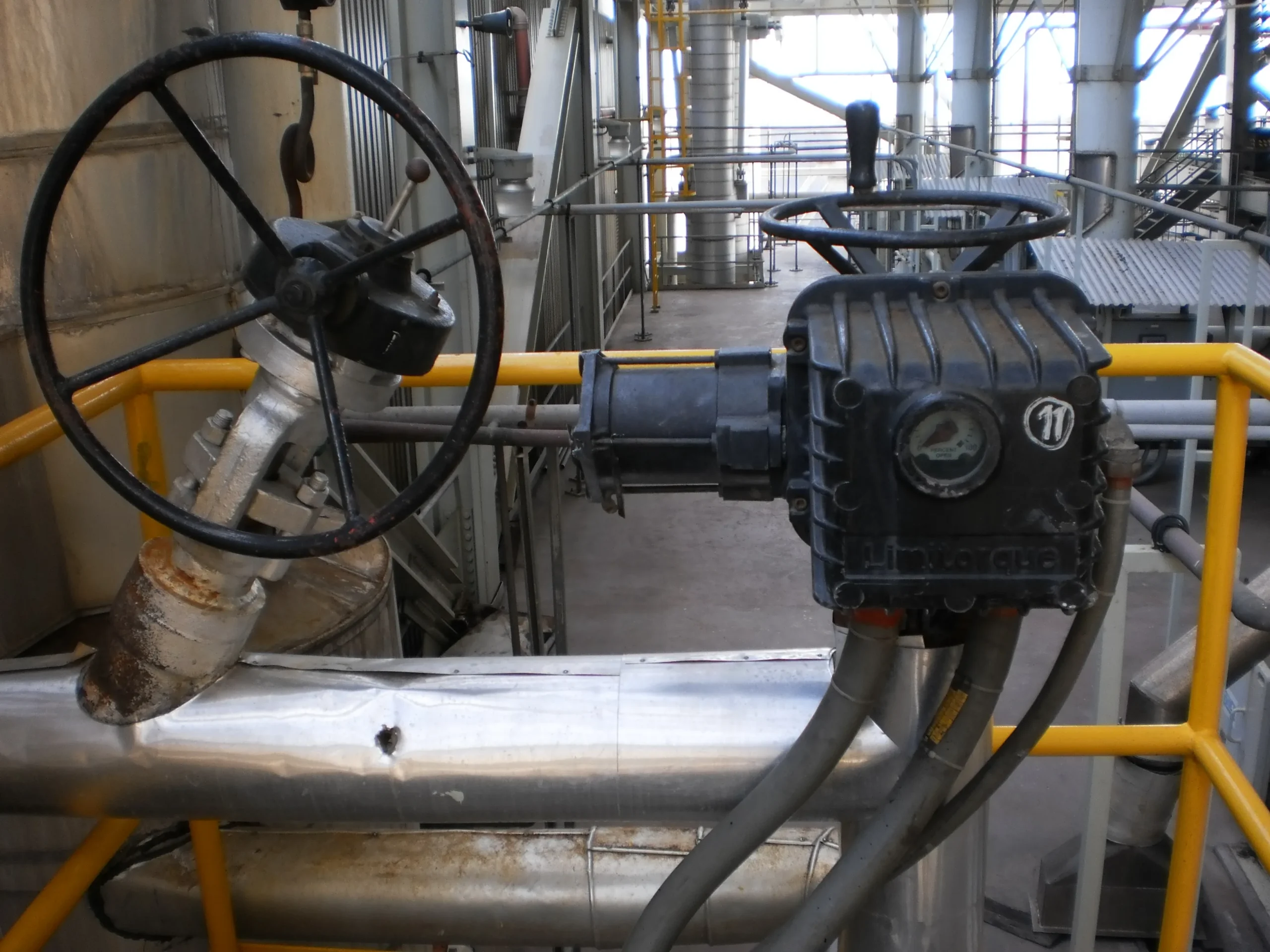
If you work around valves, pipelines, or automated equipment, you’ve definitely heard the term actuator. But many people still ask: what is actuator and how does it actually work in real industrial systems?
In simple terms, an actuator is a device that converts energy into motion to control a mechanism or system. In factories, plants, and processing facilities, actuators are the “muscles” that move valves, dampers, gates, and other mechanical parts automatically, precisely, and safely.
In this article, we’ll break down what is actuator, how it works, the main types, and where actuator Indonesia applications are most commonly found.
What Is Actuator?
What is actuator?
An actuator is a mechanical device that transforms energy (electric, pneumatic, or hydraulic) into movement. This movement is used to open, close, or modulate valves and mechanical systems.
Without actuators, most industrial processes would require manual operation, which is:
- Slower
- Less accurate
- Less safe
- Not suitable for automation
That’s why actuators are essential in modern industrial automation across actuator Indonesia installations.
Main Functions of an Actuator
An actuator plays a critical role in process control systems. Its main functions include:
- Opening and closing valves automatically
- Controlling flow rate, pressure, and temperature
- Enabling remote operation from control rooms
- Supporting automation and safety systems (ESD, shutdown systems)
- Improving efficiency and reducing human error
In many Indonesian industries, actuators are connected to PLC or DCS systems for full automation.
How Does an Actuator Work?
An actuator receives a control signal from a system (manual switch, PLC, or DCS). Based on that signal, it converts energy into motion:
- Electric energy → motor rotation
- Air pressure → linear/rotary movement
- Hydraulic pressure → high-force movement
This motion then drives the valve stem or mechanical linkage.
Types of Actuators Used in Industry
1. Electric Actuator
Electric actuators use an electric motor to create motion. They are widely used because they are:
- Easy to install
- Precise
- Low maintenance
- Suitable for automation systems
Common in water treatment, HVAC, power plants, and manufacturing.
2. Pneumatic Actuator
Pneumatic actuators use compressed air. They are:
- Fast response
- Suitable for hazardous areas
- Simple design
Often used in oil & gas and chemical plants.
3. Hydraulic Actuator
Hydraulic actuators use fluid pressure and are designed for:
- Very high force applications
- Heavy-duty industrial valves
Industrial Applications of Actuator Indonesia
Across actuator Indonesia projects, actuators are widely applied in:
Oil & Gas Industry
Used for valve automation in pipelines, refineries, and offshore platforms.
Water Treatment Plants
Controlling gate valves, butterfly valves, and flow systems.
Power Plants
Steam valves, cooling systems, and pressure control.
Manufacturing & Processing Plants
Automating production lines and fluid control systems.
HVAC & Building Automation
Controlling dampers and air flow systems.
Why Actuators Are Essential for Automation
Modern industry demands:
- Precision
- Safety
- Efficiency
- Remote monitoring
Actuators make all of this possible. Without actuators, automation systems cannot function properly.
This is why the demand for reliable actuator Indonesia suppliers continues to grow across sectors.
Conclusion
So, what is actuator?
An actuator is a key device that converts energy into motion to automate valves and mechanical systems.
From oil & gas to water treatment and manufacturing, actuators are the backbone of industrial automation. Understanding their functions and types helps industries choose the right system for reliable and efficient operations.
As industrial automation expands, the role of actuator Indonesia solutions becomes more critical than ever.